

Blog
Insights on compliance automation.
Guides and articles on automating evidence collection, generating policies from real infrastructure, and getting audit-ready across SOC 2, HIPAA, and ISO 27001.
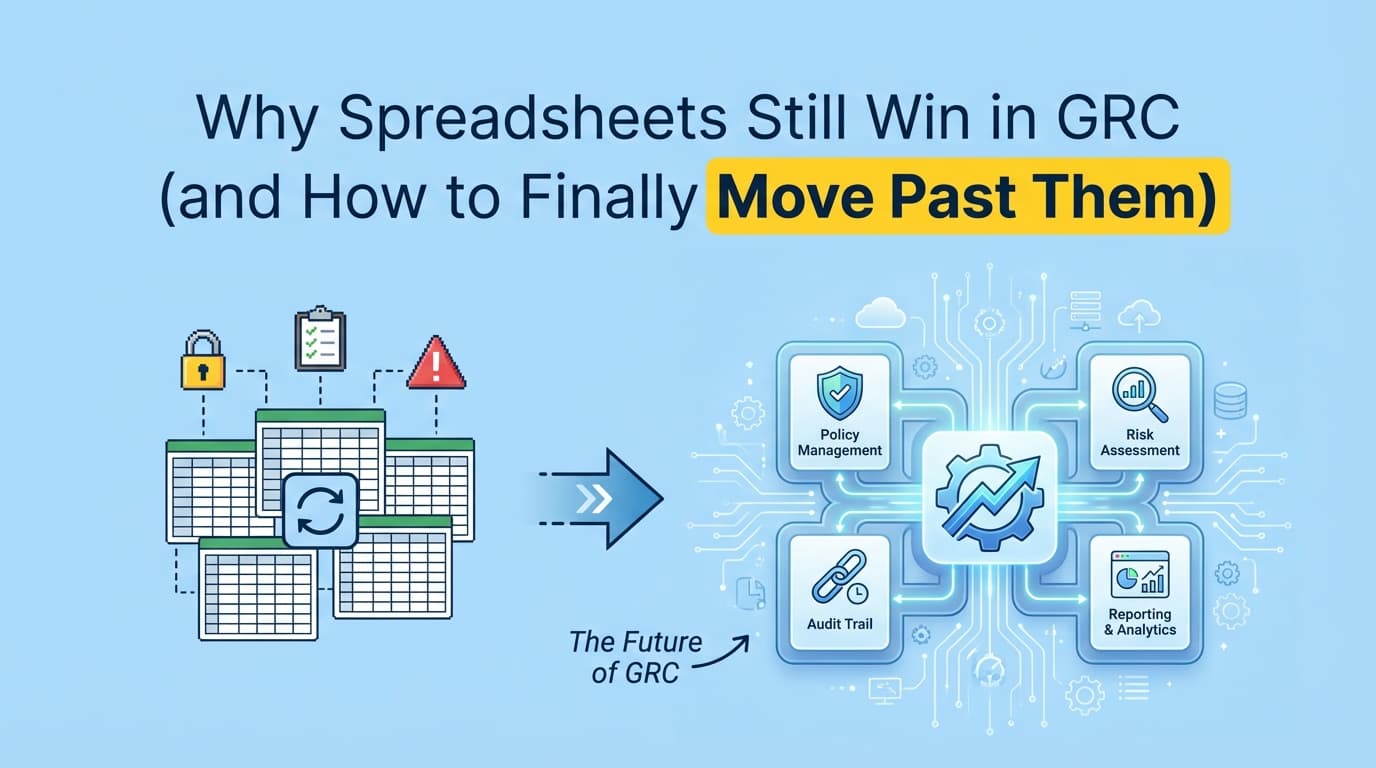
Why Spreadsheets Still Win in GRC (and How to Finally Move Past Them)
Why GRC teams keep spreadsheets, plus a copyable SOC 2 tracker, shared-drive folder structure, ownership rules, and practical triggers for automating collection. Keep manual tracking when it works and measure the bottleneck before buying software.
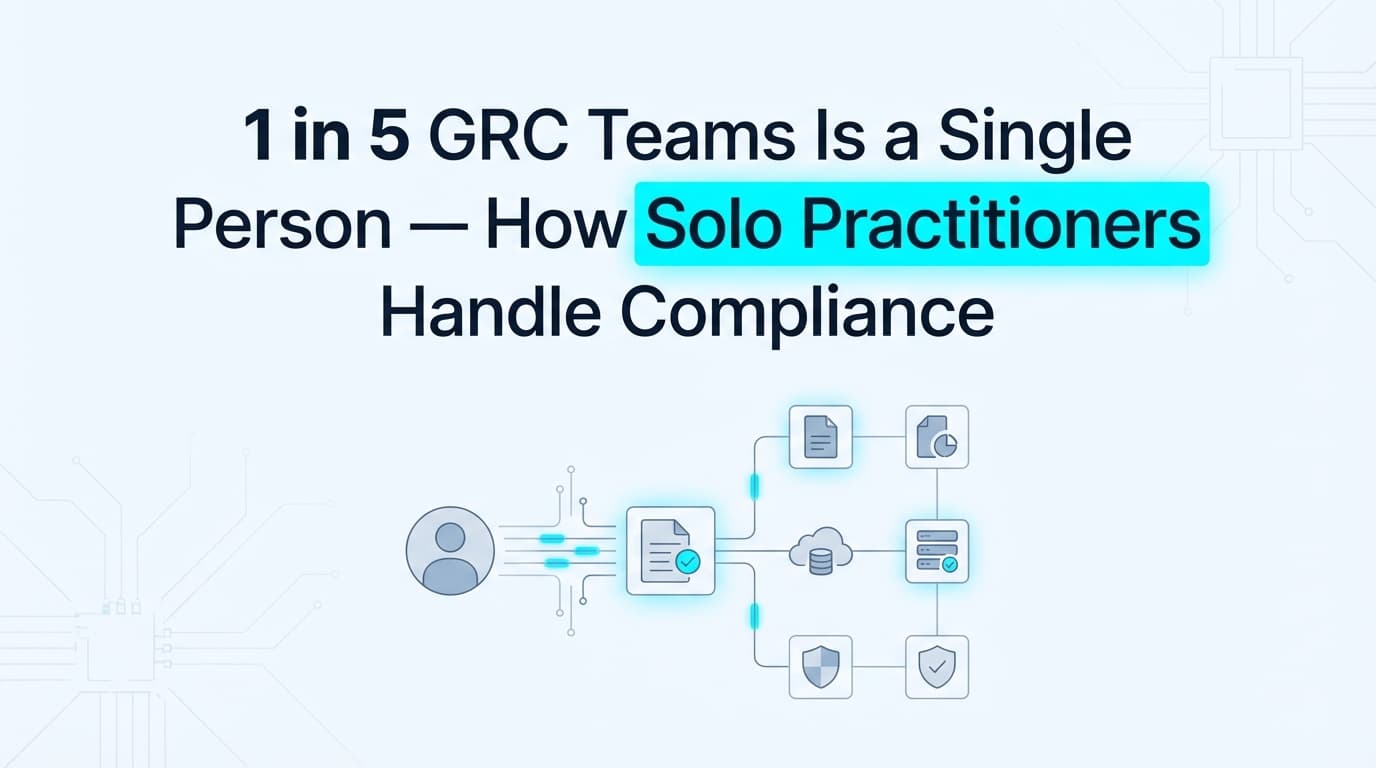
1 in 5 GRC Teams Is a Single Person, How Solo Practitioners Handle Compliance
18% of GRC practitioners run the entire compliance function alone, and 42% of them have zero tooling. The State of GRC 2026 survey reveals what solo practitioners actually use, what they skip, and why automation isn't optional when you're the only person on the team.
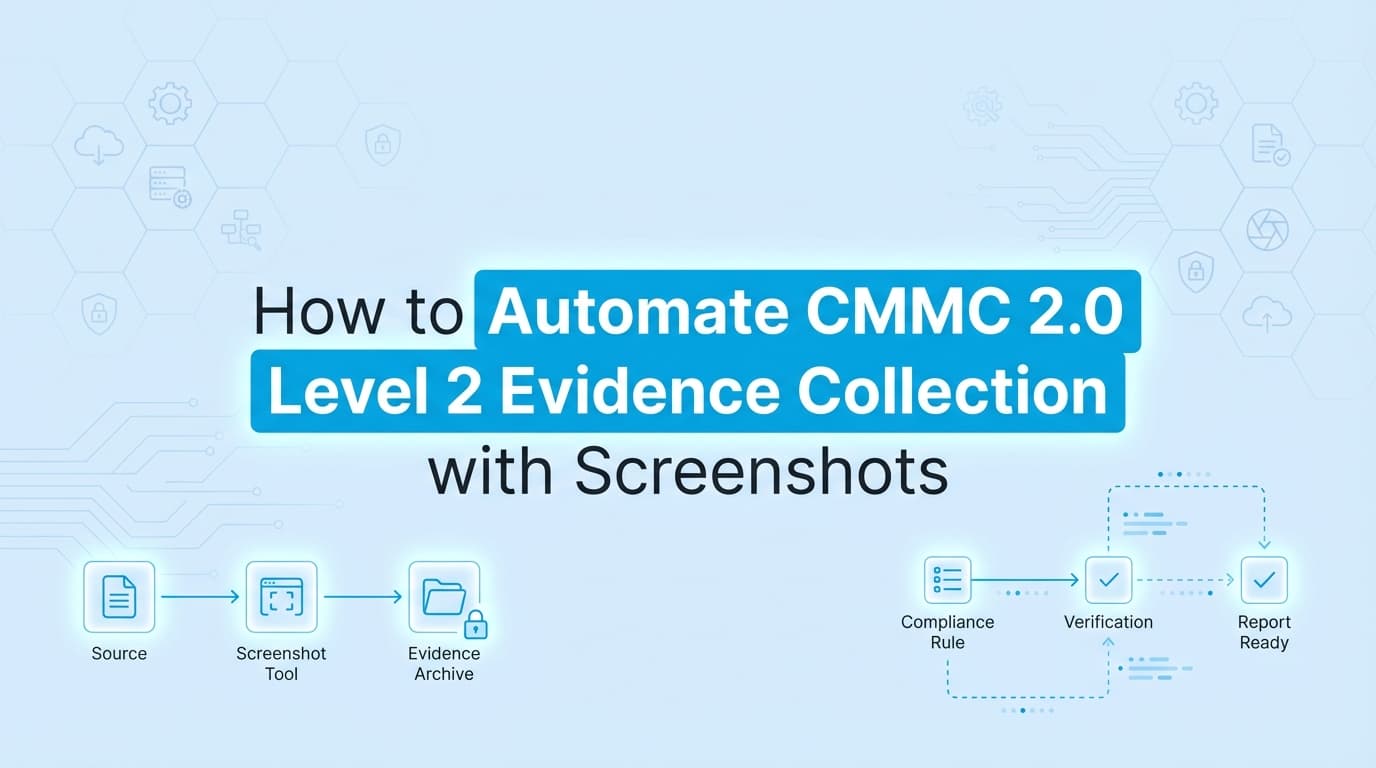
How to Automate CMMC 2.0 Level 2 Evidence Collection with Screenshots
CMMC 2.0 Level 2 assessments require specific visual evidence and screenshots to satisfy NIST 800-171A objectives. This guide explains how to automate CMMC 2.0 evidence collection for DoD compliance, what C3PAO assessors actually check, and where traditional tools fall short.

How to Automate FedRAMP Evidence Collection with Screenshots
FedRAMP compliance requires extensive evidence documentation across NIST 800-53 Rev 5 control families. This guide explains how to automate FedRAMP evidence collection with screenshots to satisfy 3PAO assessors and maintain federal cloud security during monthly continuous monitoring.
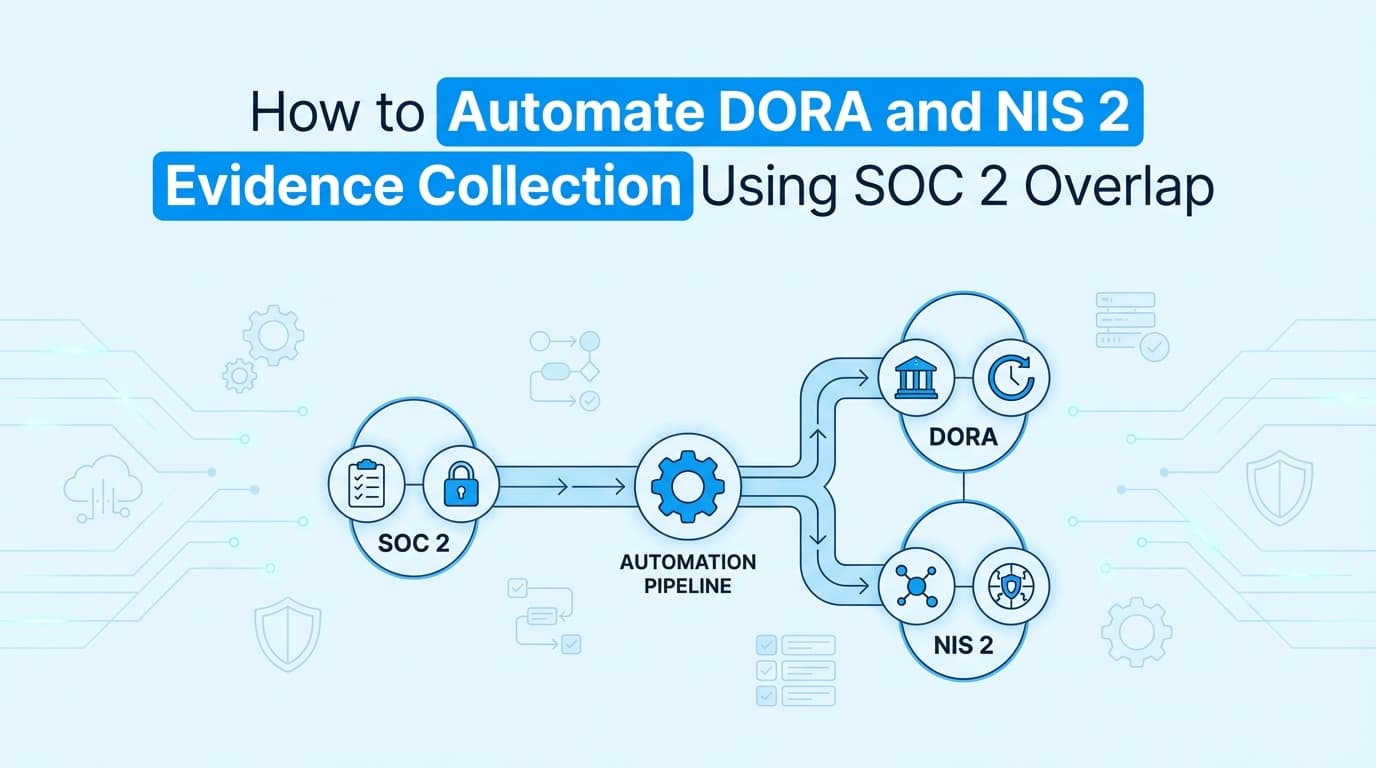
How to Automate DORA and NIS 2 Evidence Collection Using SOC 2 Overlap
DORA and NIS 2 compliance require strict proof of operational resilience that goes beyond standard SOC 2 policies. This guide explains how to map your existing SOC 2 controls to EU cybersecurity regulations and automate the visual evidence collection required for incident response and third-party risk management.
How to Automate Vendor Access Control Evidence for SOC 2 and ISO 27001
Yes, you can automate vendor access management evidence. While APIs track internal employees well, third-party access often requires manual screenshots of guest lists and repository permissions. This guide explains how to automate evidence collection for SOC 2 and ISO 27001 vendor controls.
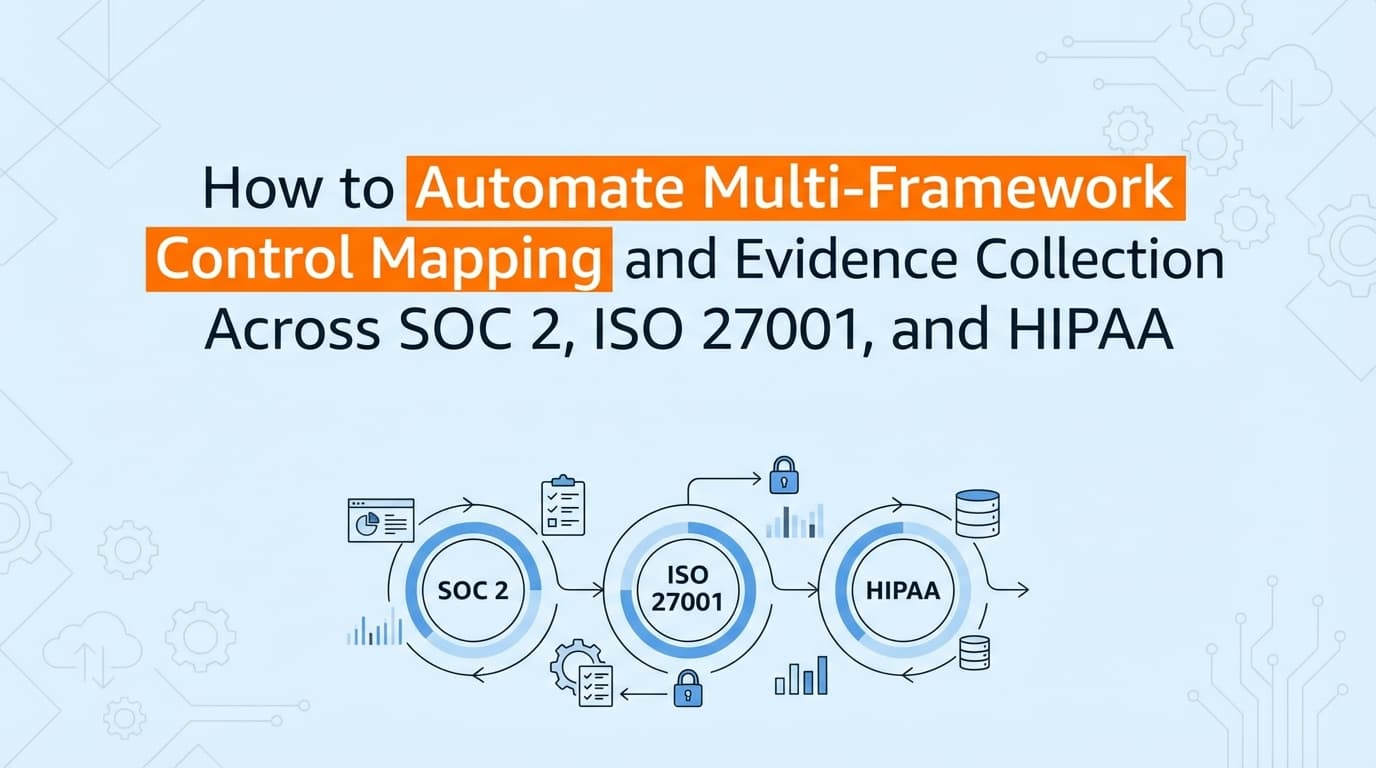
Automating Multi-Framework Control Mapping for SOC 2, ISO 27001, and HIPAA
Yes. You can map a single piece of screenshot evidence to satisfy SOC 2, ISO 27001, and HIPAA requirements simultaneously. This guide explains how multi-framework compliance works, which controls overlap, and how to automate evidence collection so you don't capture the same data three times.
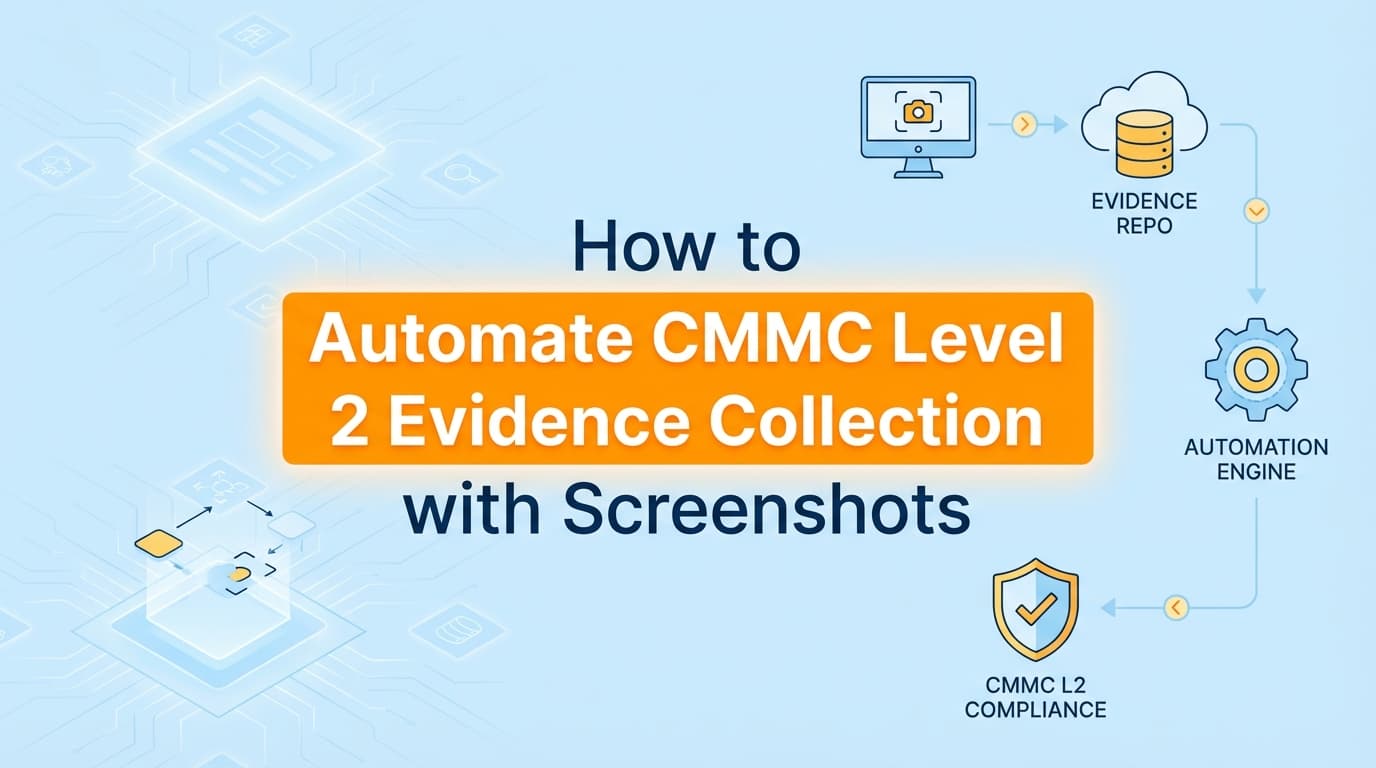
How to Automate CMMC Level 2 Evidence Collection with Screenshots
CMMC Level 2 assessments require strict documentation across 110 NIST 800-171 practices. This guide explains how to automate CMMC evidence collection using AI agents to capture screenshots and validate controls, reducing the manual prep work required for C3PAO audits.
How to Automate HIPAA Administrative and Technical Safeguard Evidence with Screenshots
Yes. You can automate HIPAA administrative and technical safeguard evidence by capturing system screenshots, validating access controls, and generating audit-ready documentation. This guide explains how automated evidence collection works for HIPAA and where traditional tools fall short.
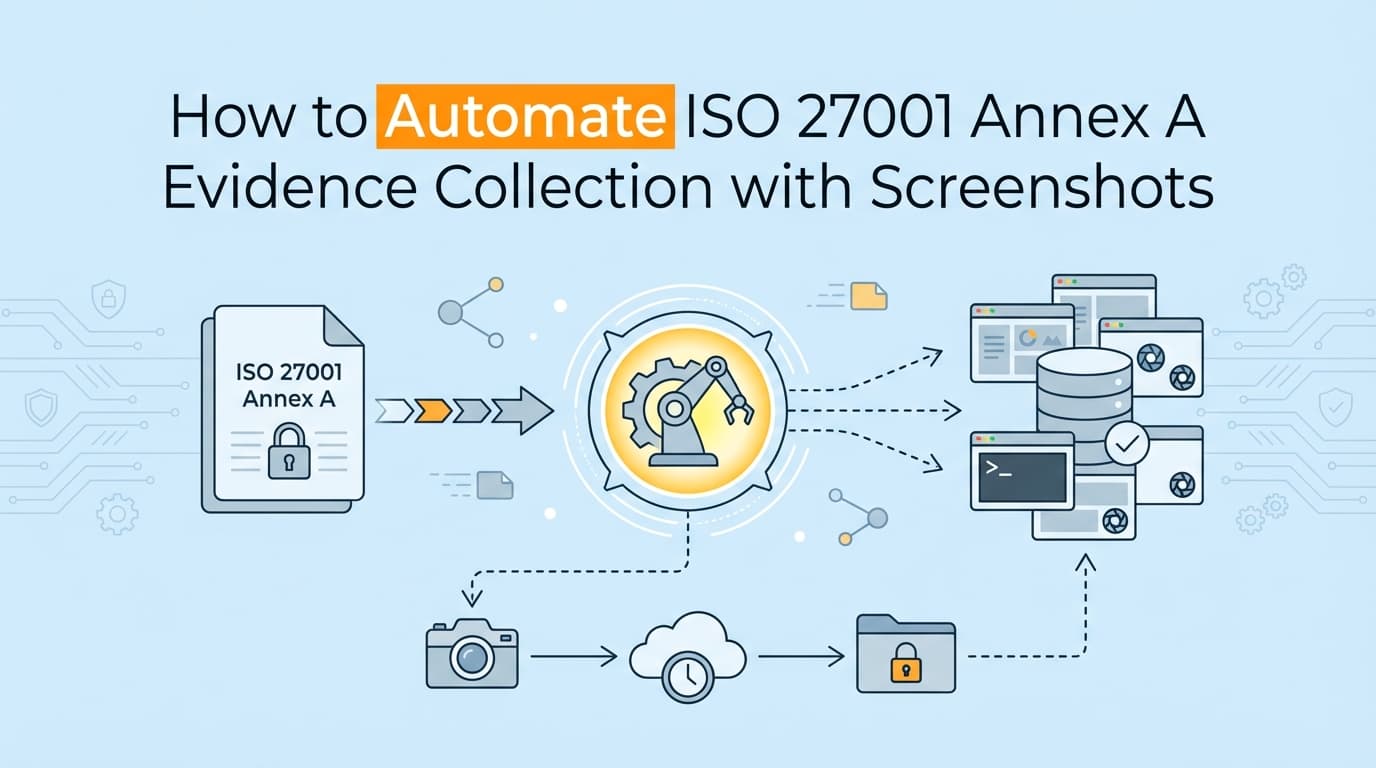
How to Automate ISO 27001 Annex A Evidence Collection with Screenshots
ISO 27001 auditors require specific evidence for every Annex A control in your Statement of Applicability. This guide explains how to automate ISO 27001 evidence collection using screenshots to capture application-level workflows that traditional tools miss.
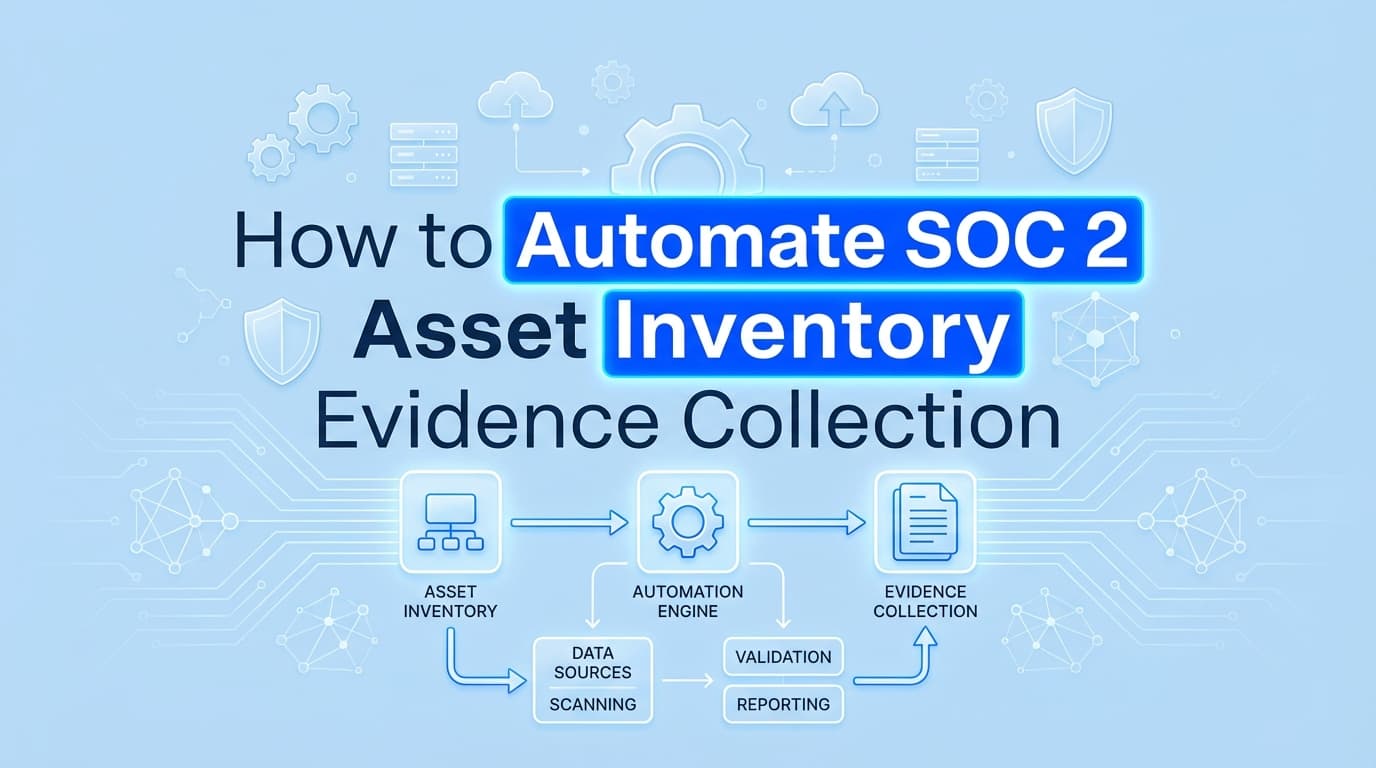
How to Automate SOC 2 Asset Inventory Evidence Collection
SOC 2 auditors require complete asset inventory evidence to verify your security controls cover all hardware and software. This guide explains how to automate asset management documentation and where traditional GRC tools fall short.
What Is Continuous Control Monitoring and How Does It Reduce Audit Risk?
Continuous Control Monitoring (CCM) shifts compliance from annual sampling to automated, daily validation of security controls. By detecting failures immediately rather than months later, CCM drastically reduces the risk of qualified audit opinions and remediation scrambles during SOC 2 and ISO 27001 assessments.