

Blog
Insights on compliance automation.
Guides and articles on automating evidence collection, generating policies from real infrastructure, and getting audit-ready across SOC 2, HIPAA, and ISO 27001.
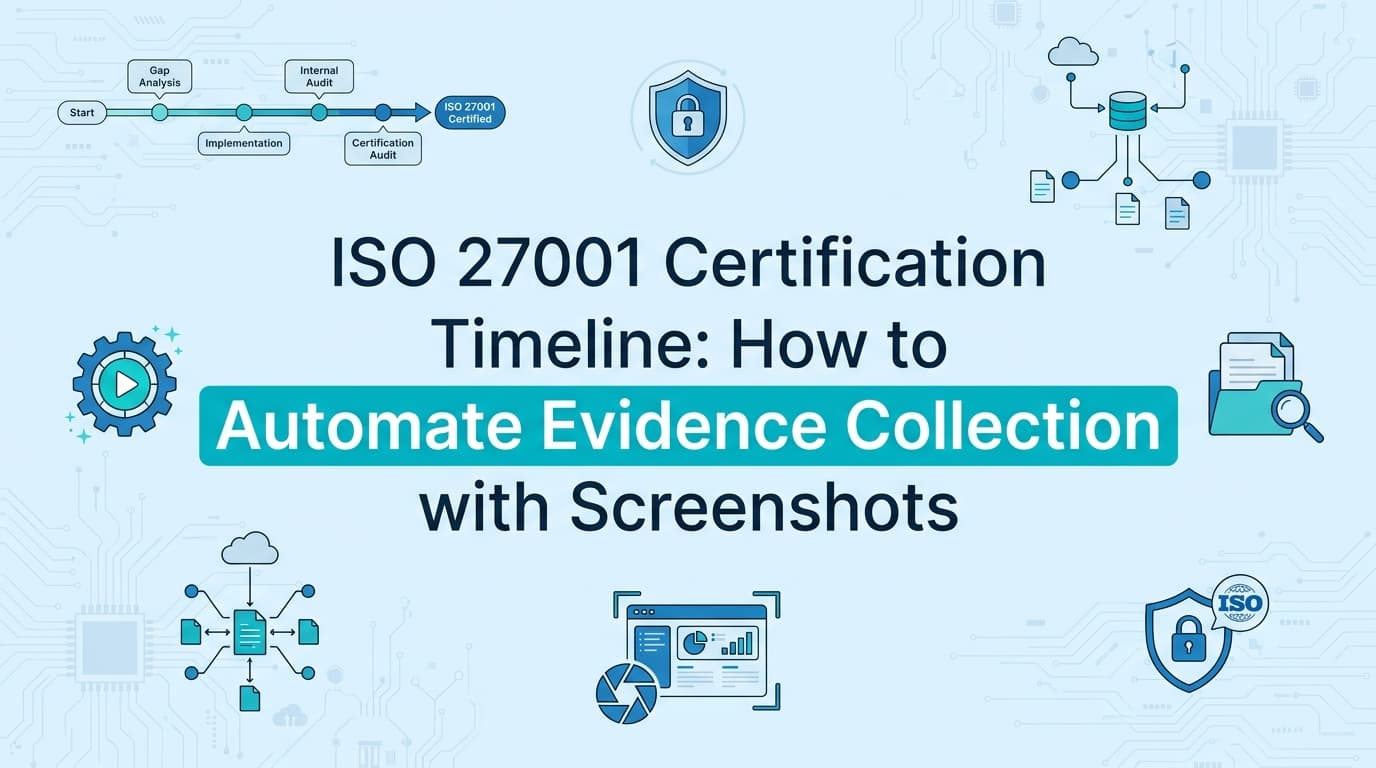
ISO 27001 Certification Timeline: How to Automate Evidence Collection with Screenshots
The ISO 27001 certification timeline takes 6 to 9 months, but manual evidence collection often causes delays right before the Stage 2 audit. This guide explains the exact schedule for ISMS documentation and Annex A controls, and how to automate screenshots to keep your audit on track.

How to Document Penetration Test Results for HITRUST and SOC 2 Audits
Both HITRUST r2 and SOC 2 require documented penetration testing and vulnerability assessment evidence. This guide explains how to document your penetration test results, track remediation efforts, and automate evidence collection so auditors accept your reports without follow-up questions.
How to Automate HITRUST Corrective Action Plan (CAP) Documentation
HITRUST Corrective Action Plans require continuous proof of remediation. This guide explains how to automate CAP evidence collection so you have exact, time-stamped documentation ready for your assessor.
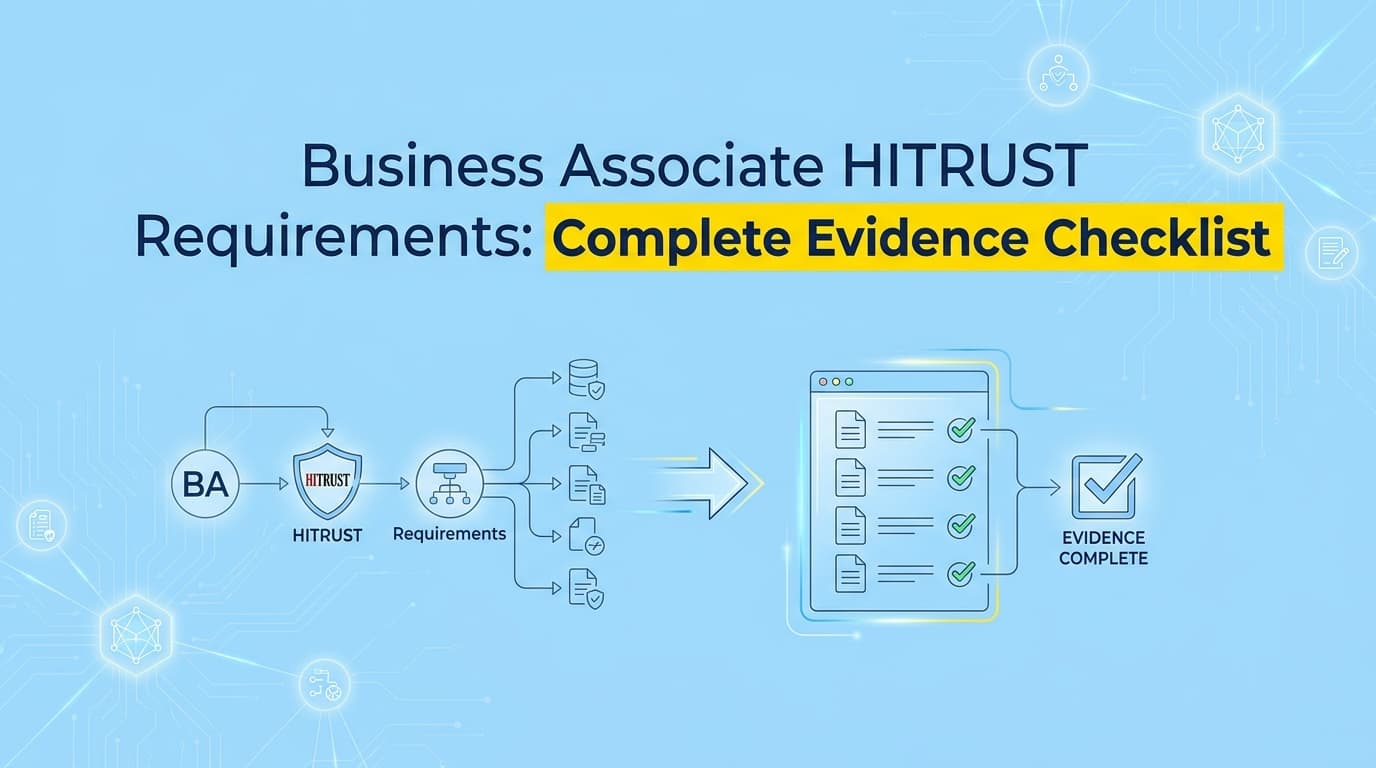
Business Associate HITRUST Requirements: Complete Evidence Checklist
Covered entities increasingly require Business Associates to achieve HITRUST r2 certification. This checklist details the exact evidence documentation, screenshots, and automation strategies needed across CSF control domains to pass your assessment.
HITRUST vs HIPAA: How to Automate Evidence Collection for Healthcare Audits
HITRUST CSF provides the certifiable framework to prove HIPAA Security Rule compliance, but gathering evidence across 19 control domains is difficult. This guide explains how to automate HITRUST r2 evidence collection using screenshots to satisfy both frameworks.
How to Automate HITRUST r2 Data Protection and Asset Management Evidence
HITRUST r2 assessments require strict evidence for data protection, privacy, and asset management across multiple CSF control domains. This guide explains how to automate evidence collection for data encryption, asset inventories, and privacy controls to pass your assessment without manual screenshotting.
How to Automate HITRUST Security Operations Evidence Collection
HITRUST r2 assessments require detailed evidence across the CSF control domains for security operations. This guide explains how to automate HITRUST evidence collection for incident response, vulnerability management, and network protection using screenshots and workflow captures.
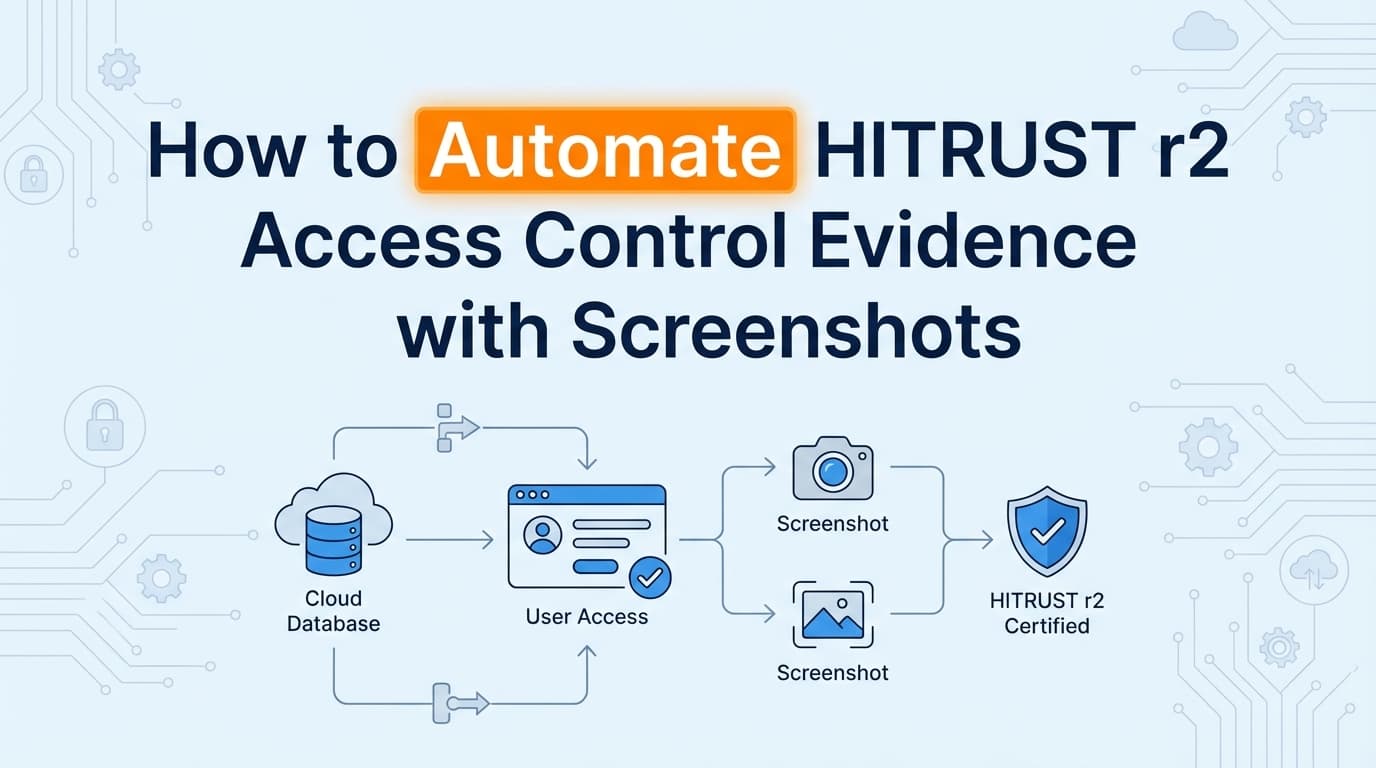
How to Automate HITRUST r2 Access Control Evidence with Screenshots
HITRUST r2 assessments require technical evidence for access controls across multiple CSF control domains. This guide explains how to automate HITRUST r2 access control evidence collection with screenshots, what assessors actually look for, and where traditional GRC tools fall short.
HITRUST Maturity Levels: How to Automate Evidence Collection for r2 Assessments
HITRUST r2 assessments evaluate controls across five maturity levels. While Policy and Procedure require standard documentation, the Implemented level requires manual screenshots and system configurations. This guide explains how to automate HITRUST evidence collection across all required CSF control domains.
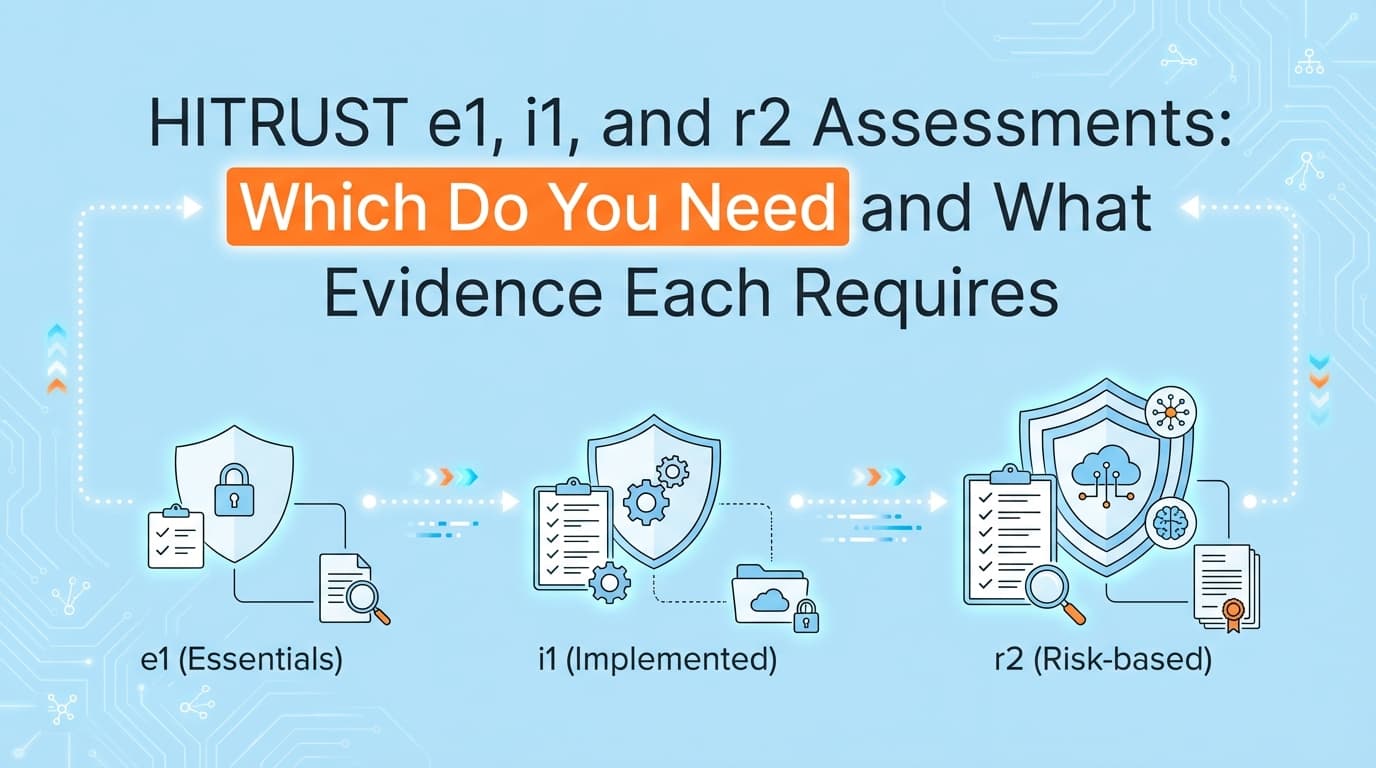
HITRUST e1, i1, and r2 Assessments: Which Do You Need and What Evidence Each Requires
Choosing between HITRUST e1, i1, and r2 assessments depends on your risk profile and buyer requirements. This guide explains the differences, what evidence HITRUST assessors require for each certification, and how to automate documentation collection across CSF control domains.
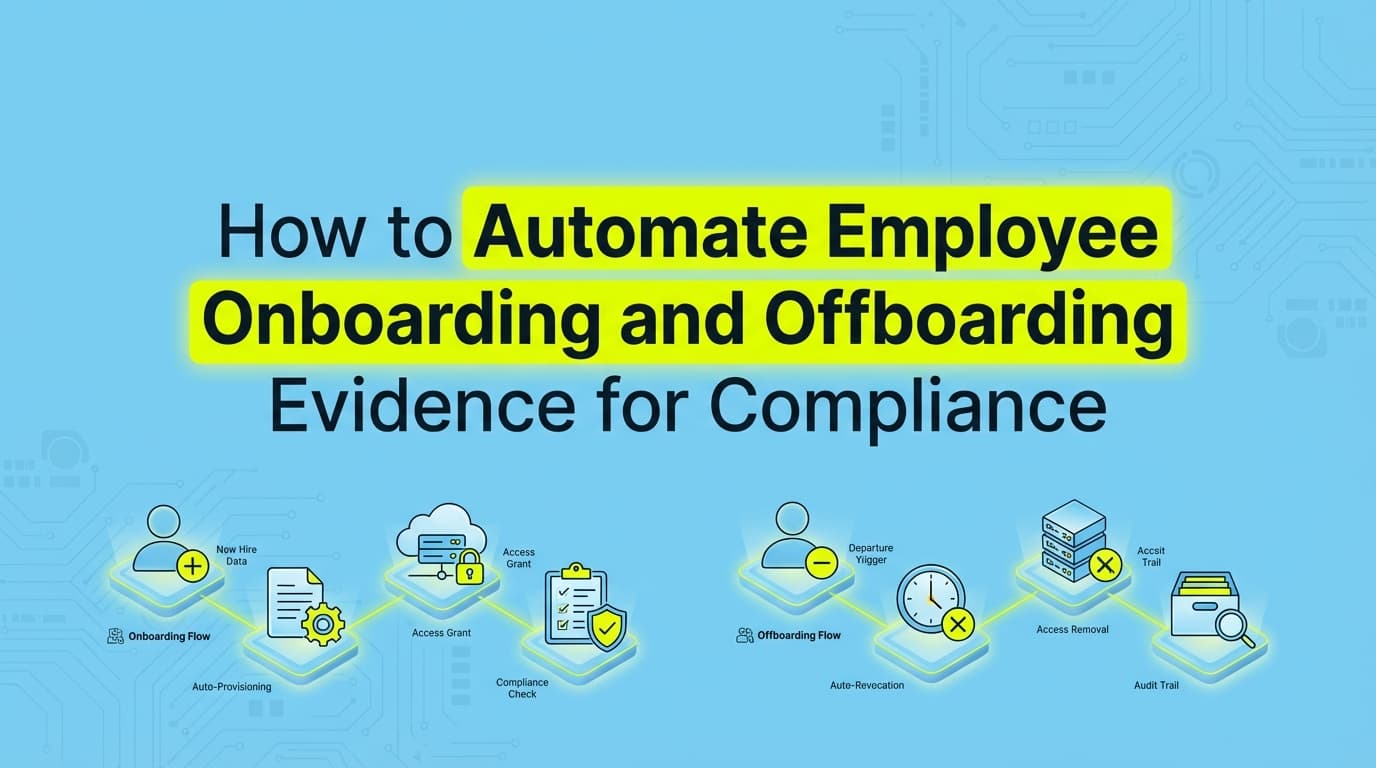
How to Automate Employee Onboarding and Offboarding Evidence for Compliance
Employee transitions are the most common source of SOC 2 audit exceptions. This guide explains how to automate onboarding and offboarding compliance evidence, what auditors actually check, and how to capture screenshots for systems that lack API integrations.
Concentration Risk in Cloud Vendors: Audit Evidence Guide
Internal auditors increasingly flag cloud vendor concentration risk as a critical vulnerability. This guide explains what evidence auditors actually require to prove resilience against single points of failure, and how to automate the collection of vendor risk documentation.